Bio
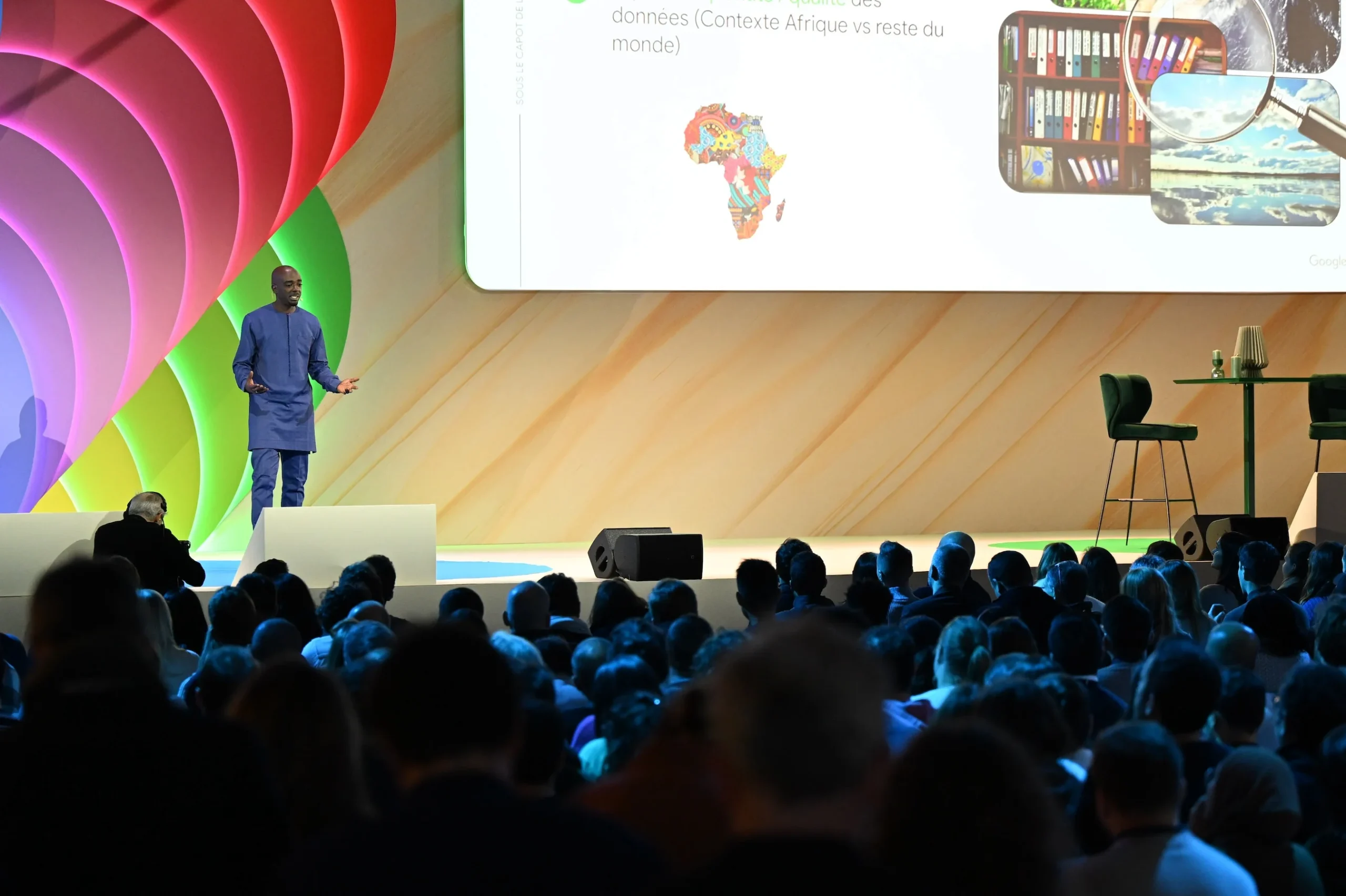
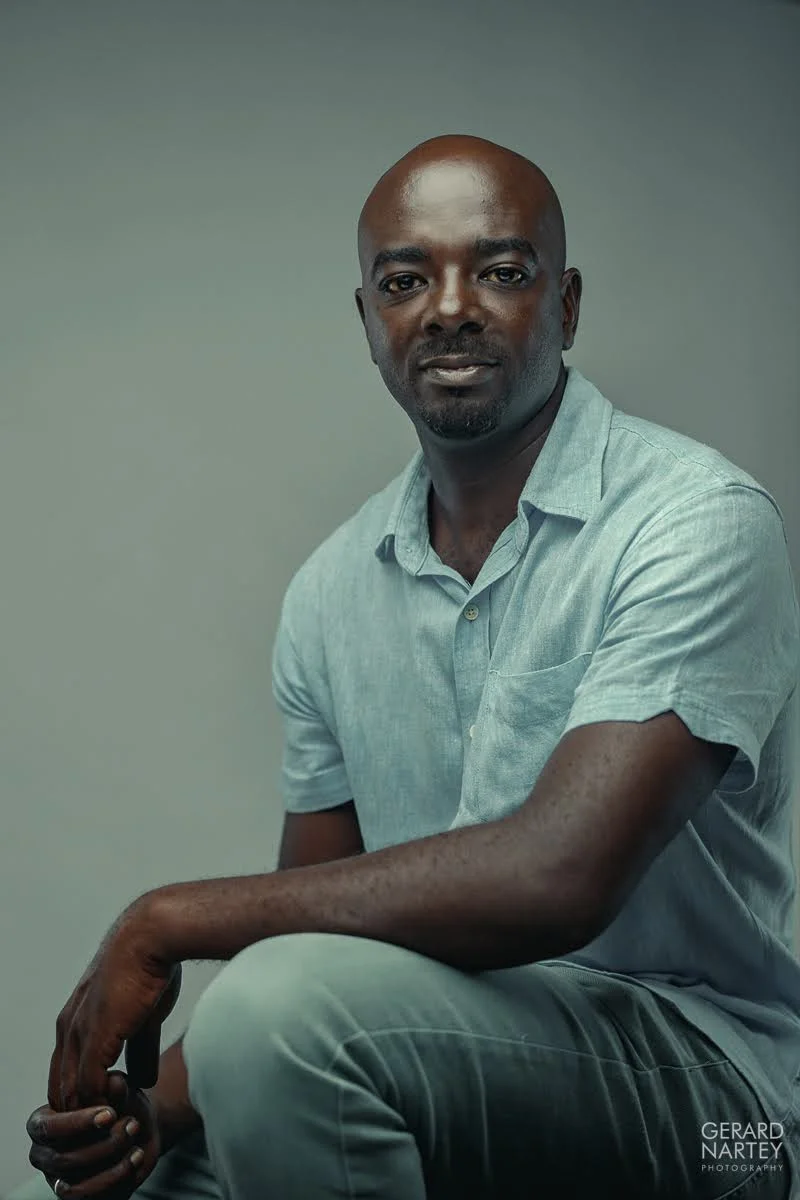
Abdoulaye Diack is a Program Manager at Google Research Africa with over 20 years of experience spanning AI/ML research, mobile financial services, and big data solutions.
Current Focus: Abdoulaye currently drives new initiatives in Applied AI, translating emerging research into practical solutions for global challenges.
🤖
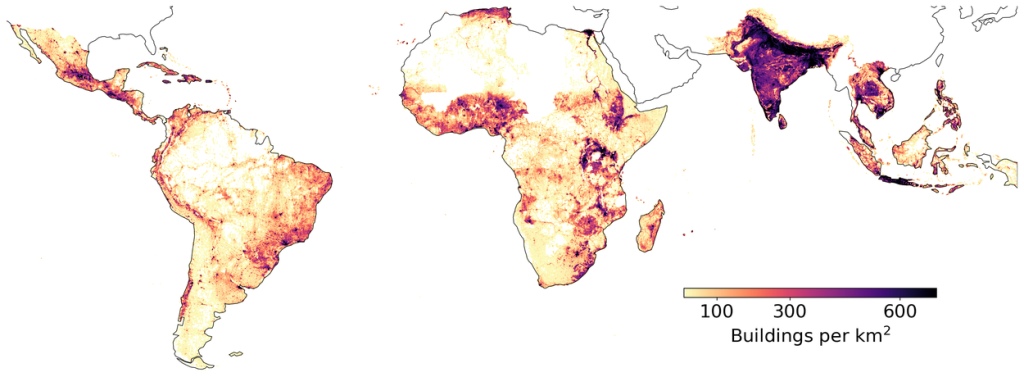
Previous Impact: Abdoulaye lead the Open Buildings project, a pioneering initiative that used satellite imagery to map over 1.8 billion buildings across the Global South—creating a critical resource now used worldwide for urban planning and disaster response.

Additionally, Abdoulaye played a foundational role in growing the region’s research talent pool by leading the Google AI Residency. He successfully managed cohorts of residents who have since transitioned into impactful roles across the global AI landscape.
-
Optimize once, deploy anywhere: open-source Edge AI just got real
Imagine real-time translation on a wearable, or continuous health sensing, running entirely on the device. No round-trip to the cloud, and power so low the battery runs for days. That’s the direction Edge AI is heading, and my colleagues at Google Research just took a big step toward it. The problem has always been fragmentation.…
-
Heat Magnets Everywhere
A new dataset of 31 million rooftops finds nearly all of them absorb most of the sun that hits them — on every continent. More than 4,500 years ago, the Pyramids of Giza didn’t have the sandy color they do today. They were sheathed in polished white Tura limestone, bright enough to be seen for…
-
PyCon Togo : Liste de Liens
Merci d’avoir assisté à ma présentation “De scripts Python à l’IA mondiale” à la PyCon Togo ! Comme promis, voici la liste des ressources, articles et projets open-source que j’ai mentionnés lors de mon intervention : Formations & Compétences Google Open Buildings Projet Waxal (Technologies vocales africaines) Weather Next (Prévisions Météorologiques) Uboreshaji Modeli (Optimisation de Modèles d’IA)